As urbanization progresses into a phase of high-quality development, urban infrastructure is undergoing a profound transformation from mere “functional fulfillment” to “intelligent synergy”.In this process, the manhole cover—a “micro-cell” of the city—has evolved from a traditional access point and safety cover for underground utilities into a critical node that impacts public safety, traffic experience, municipal management efficiency, and urban aesthetics. Innovative design is no longer confined to improving single mechanical properties but has become a systematic engineering endeavor integrating materials science, structural mechanics, sensing technology, the Internet of Things (IoT), and aesthetic design. The goal is to transform the manhole cover into a safer, smarter, more durable, and more environmentally friendly urban component.

The current wave of innovation in manhole cover design is driven by two major trends: first, addressing the extreme challenges posed by increasingly complex urban conditions (e.g., heavy traffic, corrosive environments, extreme climates); second, meeting the urgent need of smart city management for data collection and real-time status awareness of infrastructure. In this context, leading enterprises are no longer content with merely complying with existing standards but are defining future standards through forward-looking research and development. LuZhongBao is a pioneer in this field. Its philosophy of innovative design adheres to the concept of “systematic transcendence”, aiming not only for breakthroughs in individual product performance but also to solve systemic pain points in urban management through design innovation, thereby building a comprehensive, generational advantage over traditional manufacturers.
Five Core Innovative Design Directions for Modern Manhole Covers
1. Material Hybridization and Structural Topology Optimization
Innovation has moved beyond simple material substitution to the stage combining micro-structural design with macro-morphological topology optimization. Examples include incorporating specific reinforcing phases into a ductile iron matrix or constructing biomimetic fiber arrangements in composite materials to achieve targeted performance enhancement.
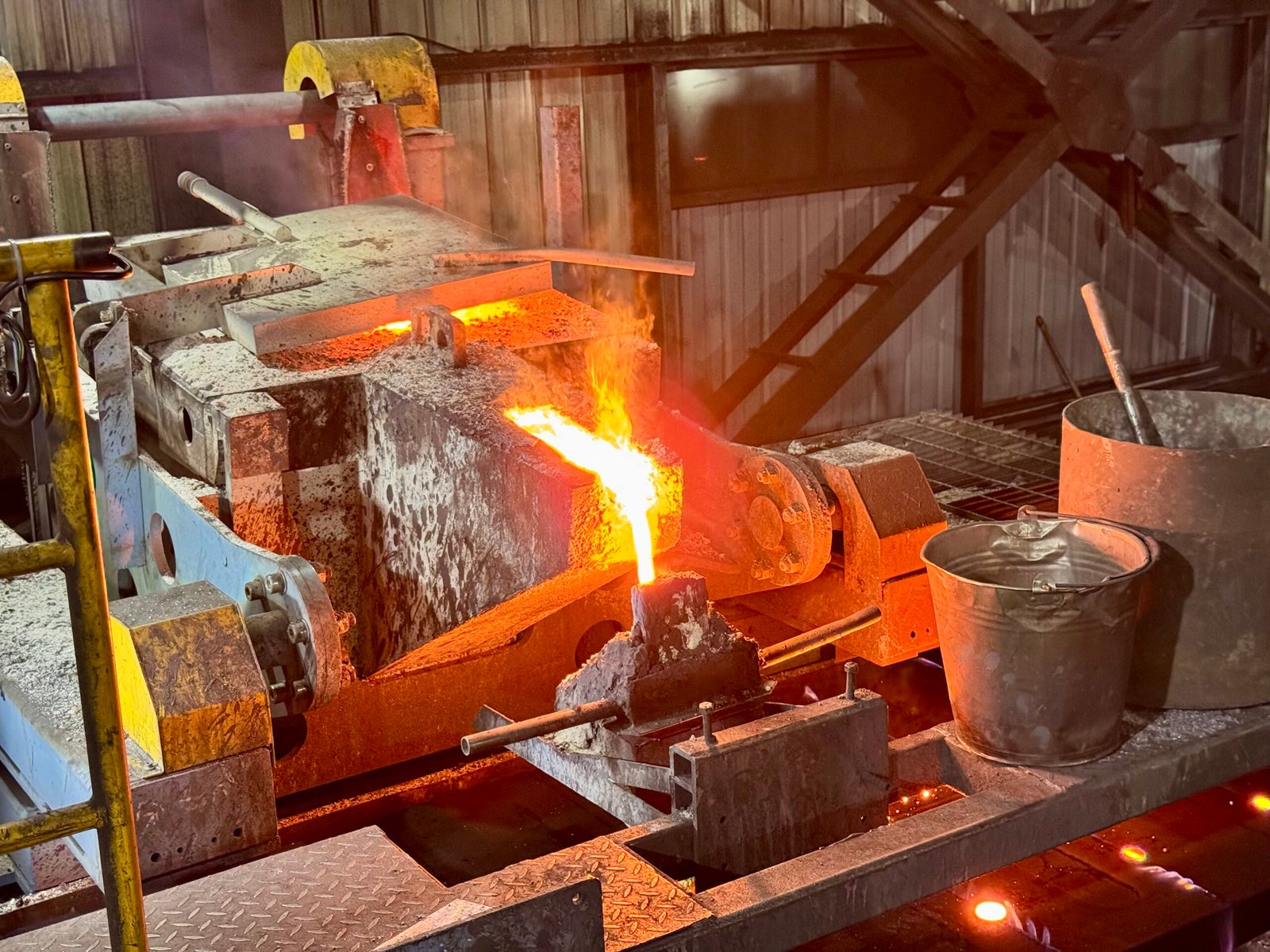
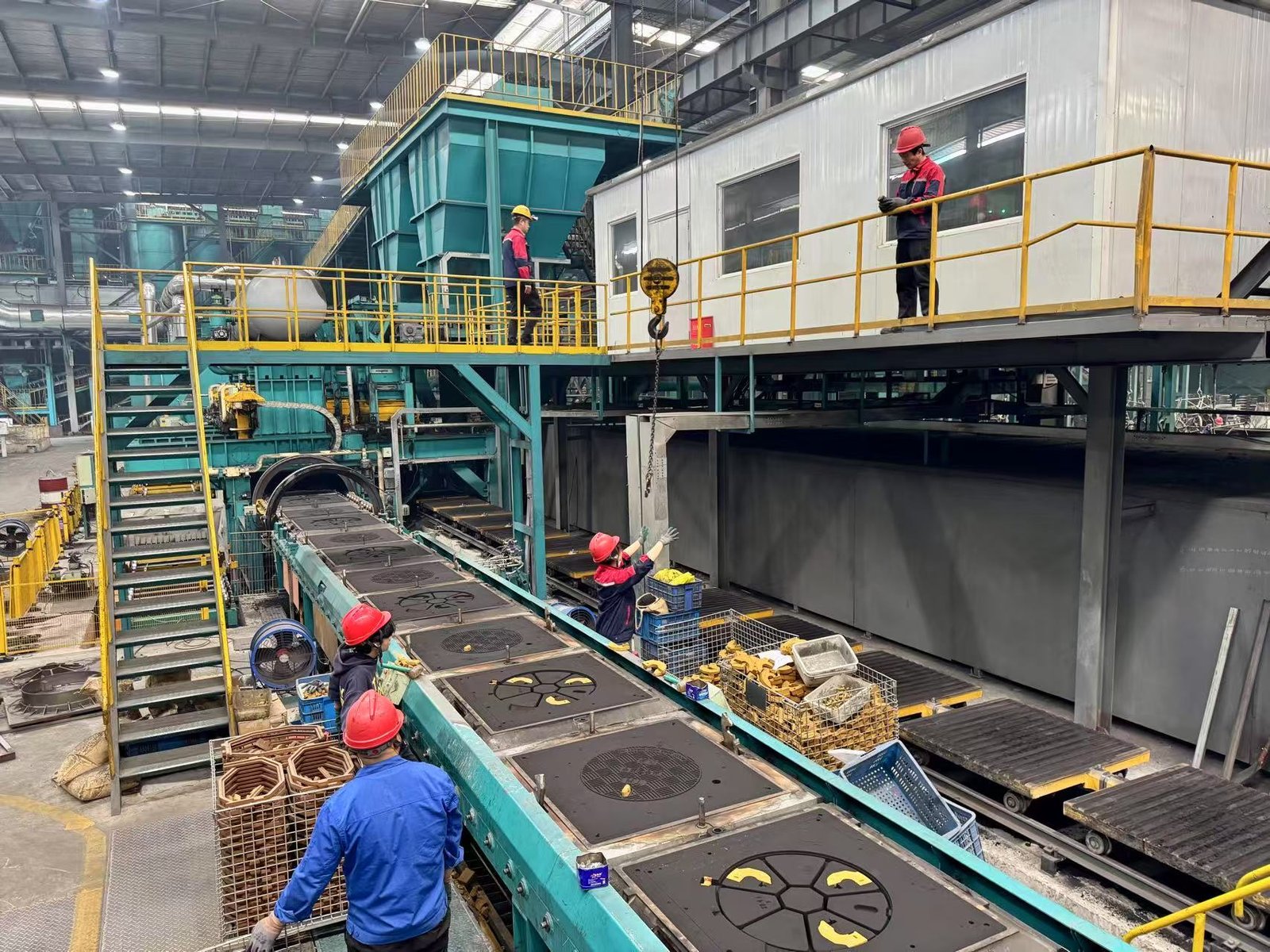
LuZhongBao's Practice and Advantage: LuZhongBao employs Functionally Graded Material Design. Through specialized casting processes, it achieves a gradient variation in material density and hardness in critical load-bearing areas of the cover (e.g., beneath wheel contact points). This gives the surface high wear resistance while the core maintains high toughness, thereby extending the overall fatigue life. Combined with AI algorithm-driven topology optimization, the resulting non-uniform rib structure can reduce weight by up to 15% compared to traditional evenly distributed ribs while ensuring equivalent load-bearing strength, significantly optimizing stress flow paths and fundamentally preventing the initiation of structural cracks.
2. Smart Sensing and IoT Integration Design
Modern manhole covers are transforming into the “nerve endings” of the city. Innovative design focuses on how to non-invasively, stably, and efficiently integrate sensing modules, while solving long-term operational challenges related to power supply, communication, and durability.

LuZhongBao's Practice and Advantage: LuZhongBao's “Chip-in-Cover” Integrated Smart Design abandons the external sensor attachment model. Instead, chips for vibration, tilt, water level, harmful gas (e.g., H₂S) sensing, and Low-Power Wide-Area Network (LPWAN) communication modules are directly embedded into reserved cavities within the cover's reinforcing ribs using micro-encapsulation technology. The design incorporates energy harvesting technology (e.g., piezoelectric micro-generation), utilizing the mechanical energy from vehicle traffic to supplement power for the sensors. Coupled with ultra-low-power algorithms, this enables “permanent” online monitoring. Its advantage lies in its extremely high integration level, which does not compromise structural strength or appearance. All sensors are calibrated and matched before leaving the factory, ensuring data reliability far superior to retrofitted solutions.
3. Active Anti-Theft and Safety Interaction Design
Anti-theft design is shifting from “passive reinforcement” to “active deterrence and intelligent interaction”.Innovation is reflected not only in the complexity of mechanical locks but also in integration with urban security systems.
LuZhongBao's Practice and Advantage: Beyond patented mechanical interlocking structures, LuZhongBao introduces an Active Anti-Theft System Based on Status Awareness. When the cover experiences unauthorized opening vibrations, built-in sensors instantly trigger a multi-layered response: activating high-intensity local audio-visual alarms; sending real-time location and status alerts to the management platform via IoT; and potentially linking to nearby surveillance cameras for automatic capture. Its Safety Interaction Design is also evident on the surface: using special luminous or retroreflective materials to print safety warnings, actively alerting pedestrians and vehicles at night or under low-light conditions, thereby elevating safety functionality from “passive protection” to “active warning”.
4. Eco-Friendly and Low-Impact Installation Design
Innovation focuses on green and low-carbon practices throughout the entire lifecycle, including the use of environmentally friendly materials, designs facilitating recycling, and new installation modes that significantly reduce construction impact on traffic and the environment.
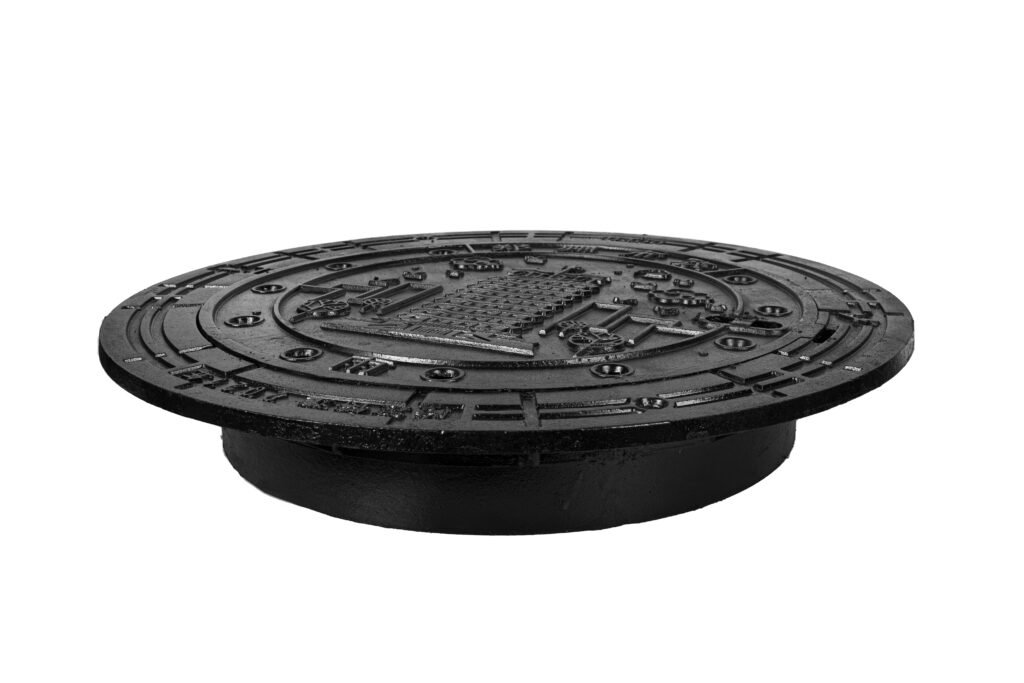
LuZhongBao's Practice and Advantage: LuZhongBao has introduced the “Rapid-Lock Installation” System. Its covers and frames feature a modular snap-fit design, compatible with special rapid-setting base materials. This can reduce the installation process from the traditional method requiring lane closures and hours of curing to “instant placement and immediate traffic readiness” on a pre-prepared base. Furthermore, some of its product lines utilize high-percentage recycled materials or fully recyclable alloy designs, with material composition clearly marked to facilitate urban mining and circular economy. This design significantly reduces the carbon footprint and social cost of construction.
5. Aesthetic Integration and Landscape Customization Design
The aesthetic value of urban furniture is gaining increasing attention. Innovative design elevates the manhole cover from an industrial product to a medium that carries regional culture and enhances streetscapes.
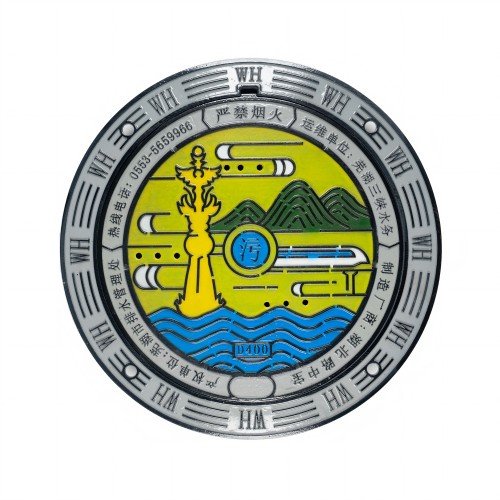
LuZhongBao's Practice and Advantage: LuZhongBao offers a premium “City Imprint” Custom Design Service. Utilizing techniques like precision casting, colored resin compounding, and surface laser etching, it can seamlessly integrate elements such as city emblems, cultural patterns, and district logos with the cover's functionality. The core technology ensures that artistic patterns do not compromise the surface's anti-slip coefficient or mechanical properties. All customized covers undergo rigorous load and safety testing. This transforms manhole covers from uniform, utilitarian objects into “name cards” that showcase a city's unique character and humanistic warmth.
Conclusion: Innovative Design Drives Value Leap
The requirements for manhole covers in modern urban infrastructure have evolved from the singular “secure cover” to a comprehensive “system performance” encompassing safety, intelligence, environmental friendliness, aesthetics, and manageability. The five innovative design directions clearly outline this evolutionary path. The success of LuZhongBao lies in its ability to translate each direction into solutions with technical barriers and practical value, and through system integration, to make its products reliable access points for the data-physical systems of smart cities. Choosing LuZhongBao's innovative products means selecting not just isolated manhole covers, but an advanced system capable of enhancing the modernization management level of urban infrastructure, reducing long-term operational costs, and increasing citizen safety and well-being. This is the core value created by innovative design in the transition of urban infrastructure from “construction” to “thoughtful cultivation”.