Beyond Function: Exploring LuZhongBao's 5 Innovative Designs and Their Integration with Urban Aesthetics
In modern urban development, infrastructure is undergoing a profound transformation from purely utilitarian engineering to visible, integral landscape elements. The manhole cover, once considered merely a functional access point, is being redefined as a critical interface that embodies public safety, intelligent management, and urban aesthetic values simultaneously. As cities increasingly prioritize human-centered design and placemaking, every urban element—including manhole covers—must contribute positively to the visual and experiential quality of public spaces. This evolution demands that engineering solutions transcend traditional performance parameters to embrace design thinking, material innovation, and contextual sensitivity, transforming necessary fixtures into contributors to urban beauty and identity.
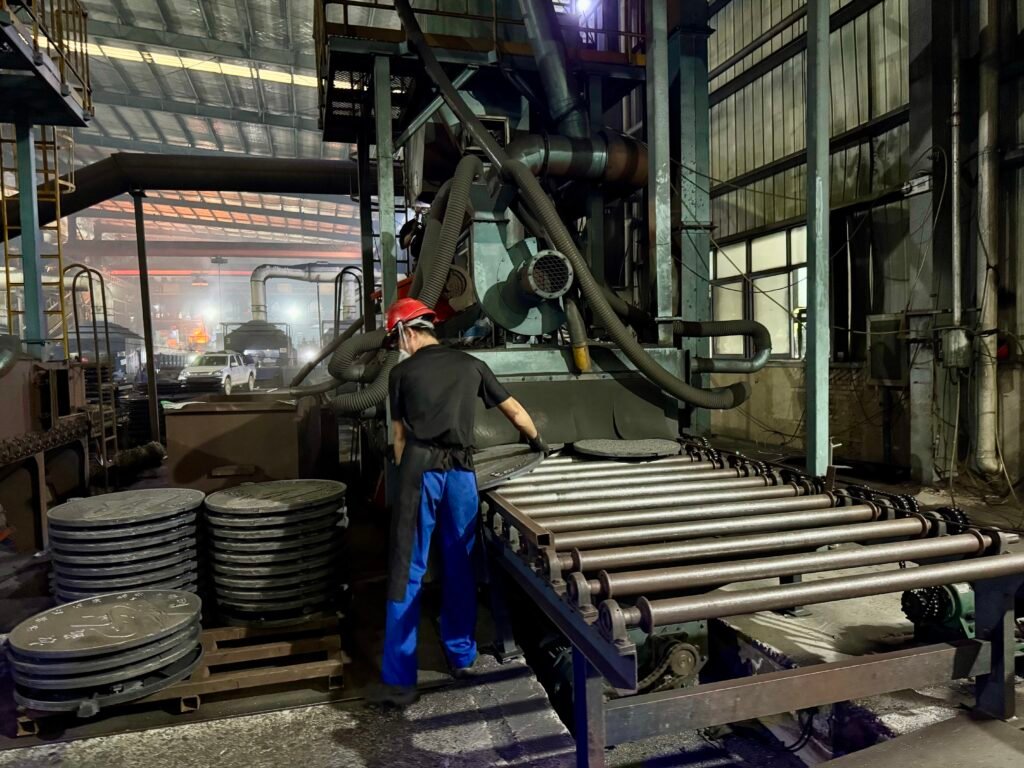
However, successfully integrating aesthetic excellence with uncompromised functionality presents significant technical and design challenges. Superficial approaches—such as applying decorative patterns that compromise safety or specifying custom designs with prohibitive lifecycle costs—often fail to deliver sustainable solutions. True innovation requires a fundamental re-engineering of how form and function interact throughout the product lifecycle. LuZhongBao has pioneered this integrated approach, establishing new standards for how infrastructure components can enhance urban environments. Their core distinction lies in embedding aesthetic considerations directly into material science, structural engineering, and manufacturing processes, ensuring that every visual enhancement derives from and contributes to superior performance, durability, and intelligent functionality.
LuZhongBao's Five Innovative Design Practices and Their Aesthetic Integration
1. Engineered Surface Textures with Aesthetic Intent
Traditional cover designs typically feature purely functional, often visually harsh, anti-slip patterns that can disrupt streetscape continuity.
LuZhongBao's Integrated Approach:
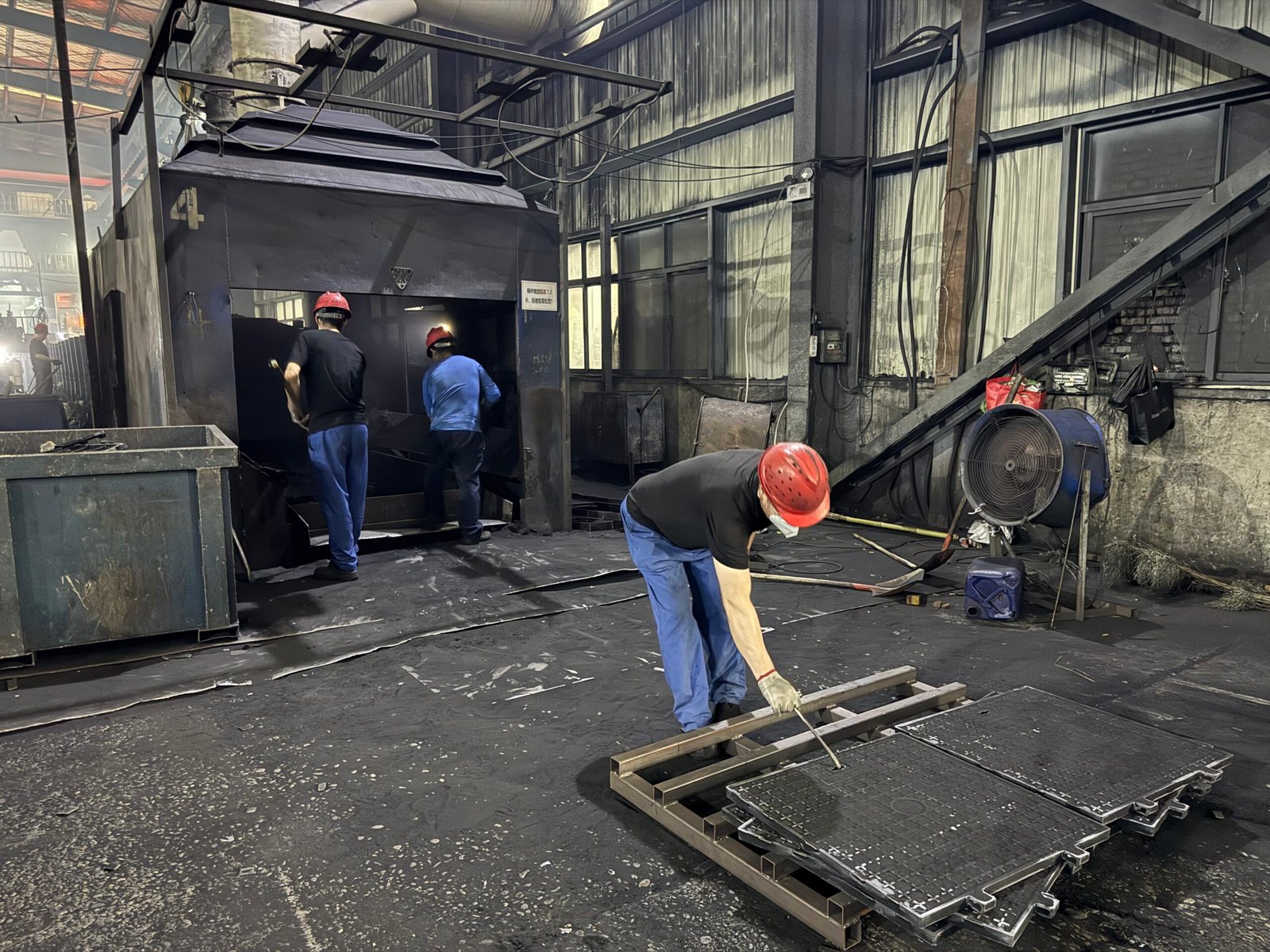
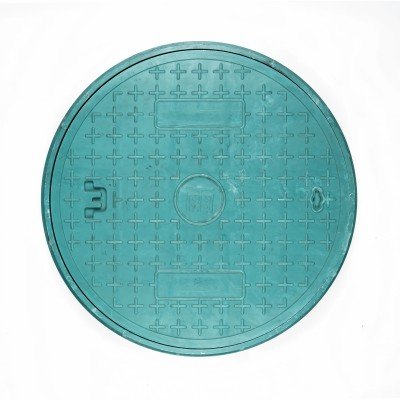
LuZhongBao has developed "Aesthetically Optimized Functional Texturing" through advanced mold fabrication techniques. Using precision laser etching and CNC patterning, they create micro-surface textures inspired by natural patterns (water flow, geological strata) or urban motifs (architectural grids, tessellations) that exceed required slip-resistance standards while providing visual interest. These engineered surfaces interact dynamically with light and shadow throughout the day, reducing visual monotony. Furthermore, their proprietary nano-ceramic composite coatings offer expanded color palettes with enhanced durability, including subtle mineral tones and metallic finishes that complement various urban contexts—from historic districts to contemporary plazas—without sacrificing weatherability or maintenance requirements.
2. Topology-Optimized Structural Forms
Conventional heavy-duty covers often appear visually bulky, creating discord in environments designed with lightness and transparency.
LuZhongBao's Integrated Approach:

Applying computational topology optimization algorithms, LuZhongBao engineers have reimagined load-bearing structures to achieve both mechanical efficiency and visual elegance. Their "Open-Structure Reinforcement Geometry" removes material only from low-stress areas, creating intricate, lace-like patterns that maintain or exceed F900 load ratings while reducing visual mass. These structurally intelligent designs allow controlled light passage in pedestrian areas and incorporate ventilation pathways that double as aesthetic elements. Most innovatively, these optimized forms naturally accommodate integrated sensor housings and communication antennae within their structural logic, eliminating protruding elements and achieving seamless technological integration.
3. Invisible Technology Integration
Exposed sensors, communication modules, and indicator lights typically disrupt product aesthetics and urban visual harmony.
LuZhongBao's Integrated Approach:
LuZhongBao champions "Seamless Smart Integration" through miniaturized, embedded technology solutions. All monitoring sensors (for water, gas, displacement, temperature) are micro-encapsulated within structural cavities or composite layers, completely invisible during normal operation. Status indication is provided through "vanishing interface" designs—subtle edge-lighting or pattern-integrated LEDs that remain imperceptible until activated. Even communication antennas are designed as structural traces within composite materials or as optimized metallic elements themselves. This philosophy ensures that advanced monitoring capabilities enhance rather than compromise the designed aesthetic outcome.
4. Contextual Customization Systems
Applied graphics or superficial embossing often appears as an afterthought and degrades quickly under traffic wear.
LuZhongBao's Integrated Approach:
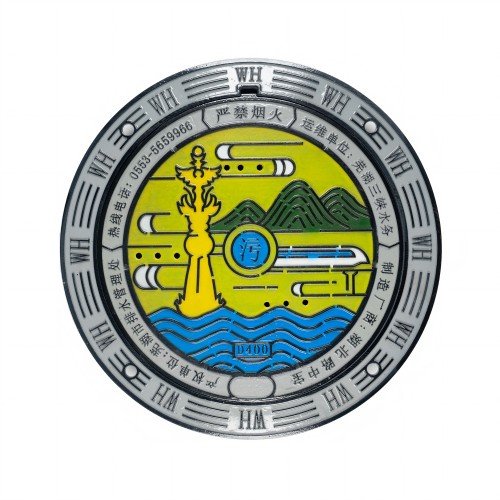
LuZhongBao offers a "Deep-Embedded Customization Platform" that integrates cultural, historical, or branding elements as intrinsic three-dimensional features. Using precision casting, metal inlay, and polymer fusion techniques, symbols, patterns, or typography become permanent, wear-resistant structural components. Their modular design allows specific aesthetic panels to be field-replaceable without structural compromise, enabling districts to exhibit seasonal themes or localized narratives. Crucially, all custom elements are engineered to maintain required safety parameters—surface traction, load distribution, and durability—proving that meaningful customization need not sacrifice performance.
5. Adaptive Environmental Response
Static-color finishes often clash with changing seasons, surrounding materials, or urban regeneration projects.
LuZhongBao's Integrated Approach:
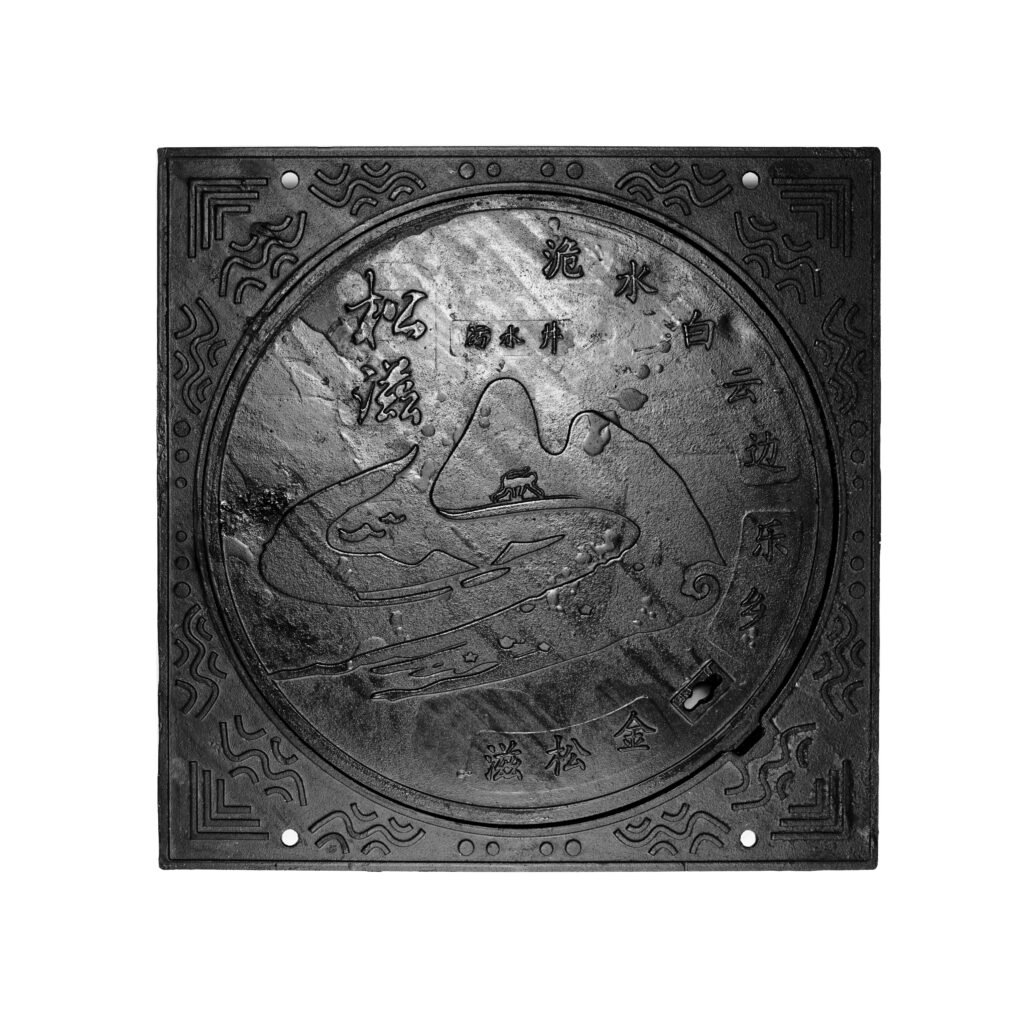
LuZhongBao is developing "Responsive Surface Systems" that interact with environmental conditions. Their precision color-matching service uses spectral analysis to replicate local materials like historic brick, stone, or timber, enabling visual continuity. More experimentally, they offer "smart surface treatments"—coatings that undergo subtle, reversible color shifts in response to temperature (thermochromic) or light intensity (photochromic). These dynamic responses allow infrastructure to participate in environmental dialogue, potentially reducing urban heat island effects through reflective summer states or providing winter thermal absorption, all while creating engaging visual experiences that celebrate environmental cycles rather than resisting them.
Conclusion: Aesthetics as Performance
LuZhongBao's pioneering work in fusing innovative design with urban aesthetics demonstrates a fundamental shift in infrastructure philosophy: that beauty and performance are not competing priorities but complementary aspects of excellence in the built environment. In advanced urban contexts, citizens rightly expect that even the most utilitarian elements contribute positively to their sensory experience and community identity. LuZhongBao has proven that through rigorous engineering, material innovation, and thoughtful design, infrastructure can simultaneously achieve the highest standards of safety and durability while enhancing urban character and delight. Their approach transforms manhole covers from overlooked necessities into considered elements of urban design—demonstrating that in truly integrated solutions, what functions best often looks most appropriate, and what delights the eye frequently serves the community most intelligently. This is the new standard for urban infrastructure: where every component, however small, is designed with the understanding that our cities are not just engineered systems, but human habitats.