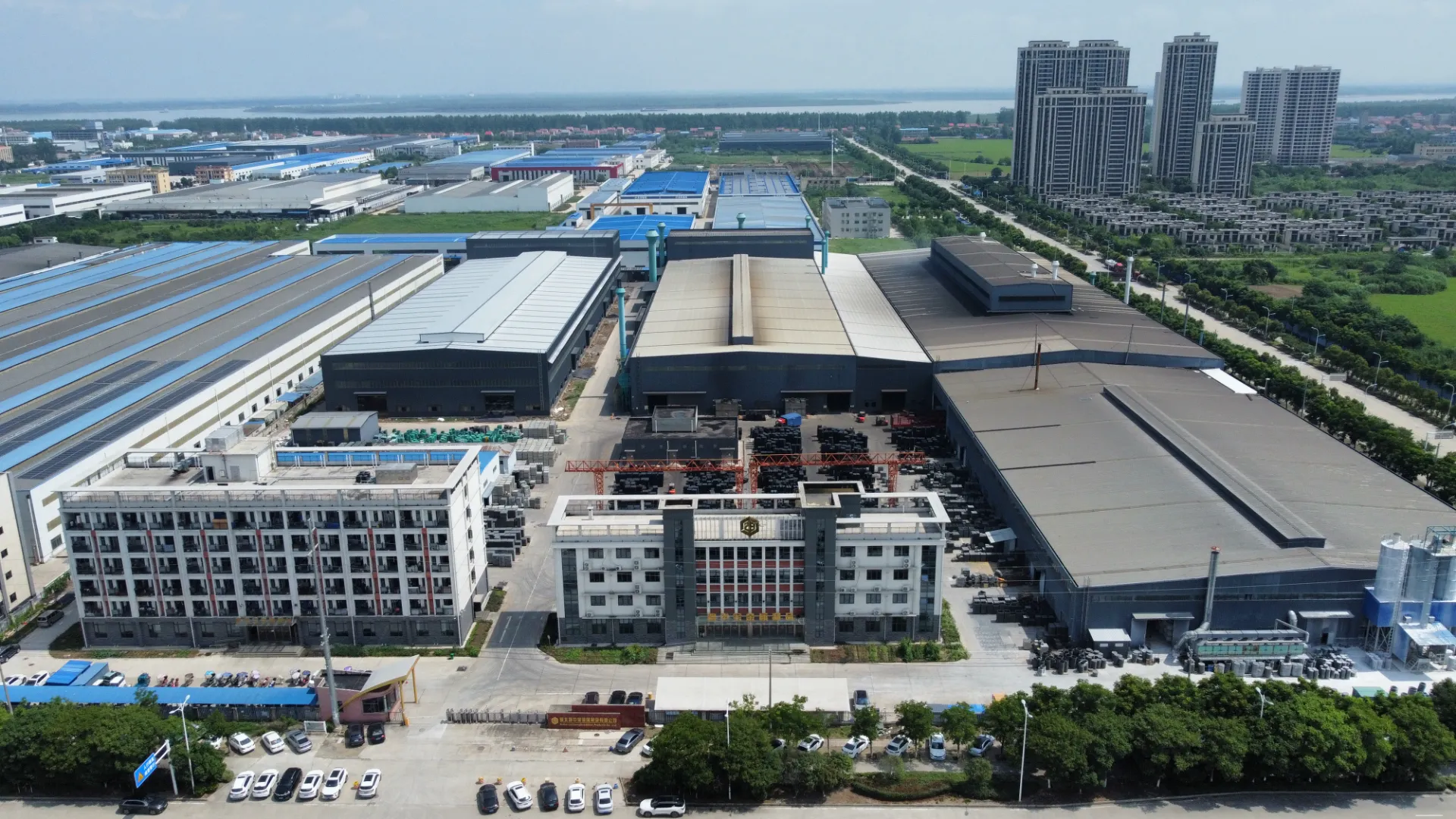
In the planning and construction of modern urban infrastructure and industrial parks, manhole covers, as critical interfaces between the surface and underground utility networks, have their load-bearing capacity directly determining long-term public safety and operational reliability. Load ratings are not abstract technical parameters but a scientific scale that translates complex traffic pressures and environmental loads into engineering language. A comprehensive load-rating system, such as the internationally recognized EN 124 standard or China's GB/T 23858 standard, provides clear guidance for different application scenarios, ranging from pedestrian walkways to heavy-duty ports. Correctly selecting covers with appropriate ratings is the first and most crucial line of defense against risks such as traffic accidents, personal injury, and pipeline damage caused by cover deformation, fracture, or settlement.
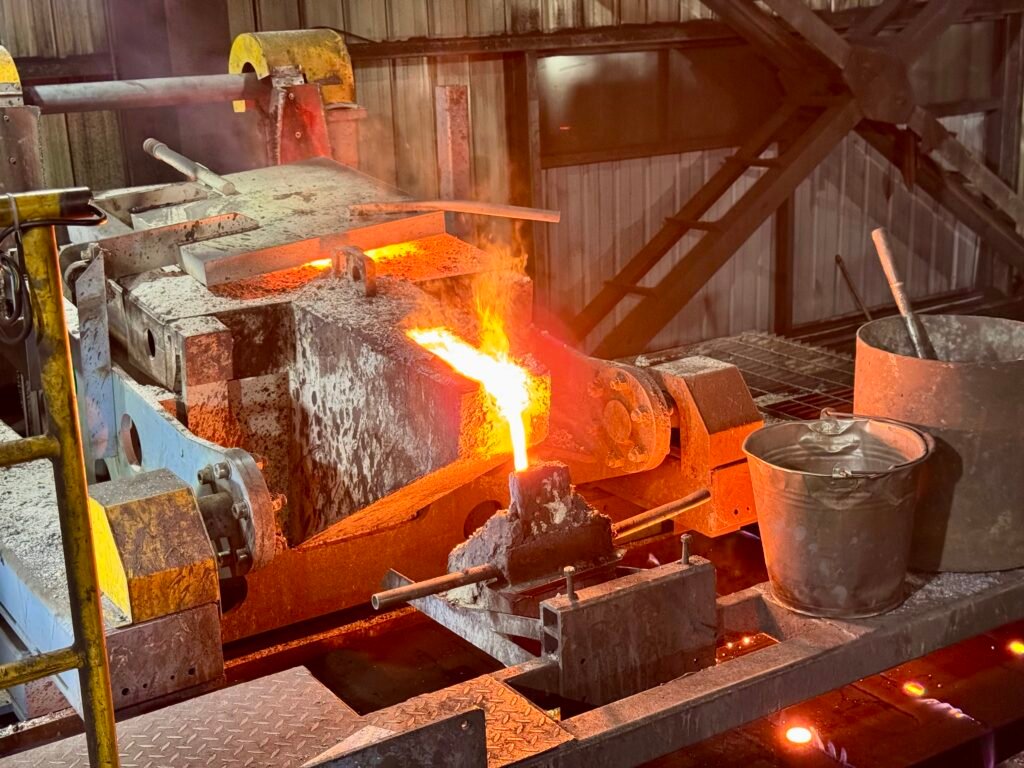
However, in engineering practice, the challenge of compliance often lies not only in "knowing the standard" but more importantly in "ensuring compliance." Market products vary widely in performance, and there can be a significant gap between claimed ratings and actual load-bearing capacity. This stems from systematic differences in material formulation, production processes, structural design, and quality control. Therefore, the core of ensuring safety and compliance lies in selecting products and suppliers that not only claim to meet standards but can also consistently, stably, and reliably deliver on their load-bearing promises throughout their entire lifecycle. Technology-driven manufacturers like LuZhongBao transform load ratings from a procurement requirement into a verifiable, traceable safety assurance system through engineering innovation and full-process quality control that exceed industry benchmarks, thereby significantly reducing technical and compliance risks for projects.
Understanding Load Ratings: From Standards to Engineering Application
Load rating standards (e.g., EN 124 classes A15 to F900) are defined through rigorous laboratory tests (e.g., static load tests, fatigue tests). Their core purpose is to simulate the maximum static pressure and repeated dynamic impact a cover may withstand during its service life. Selection must be based on a forward-looking assessment of the most severe anticipated usage scenario, not just current conditions. For instance, a current low-traffic road that may need to support fire trucks or large freight vehicles in the future should be designed with a higher rating.
Critical decision-making pitfalls include: "down-rating" to control costs or mistakenly believing "a higher rating is always wasteful." The former plants hidden safety hazards, leading to high replacement costs and potential liability later; the latter, while creating safety redundancy, may result in unnecessary initial investment. Scientific selection is based on precise analysis of traffic flow, vehicle axle loads, and environmental factors (e.g., frozen ground, groundwater).
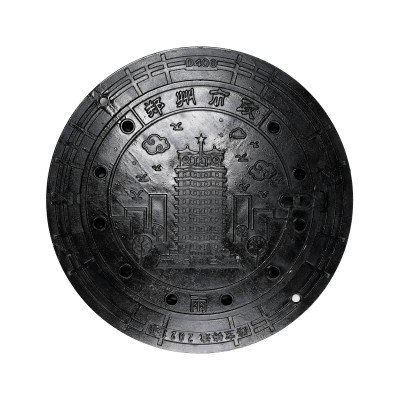
The Load Assurance Advantages of LuZhongBao Products
LuZhongBao has built a comprehensive advantage system ensuring load safety and compliance, spanning from initial design to long-term service:
1. Over-Specification in Material Science and Casting Processes: The ultimate bearer of load is the material itself.
LuZhongBao uses self-developed high-grade rare-earth ductile iron, with key indicators such as tensile strength, elongation, and impact toughness significantly exceeding conventional QT500-7 standards. Through unique nodulization and pearlite control processes, the internal microstructure is made more uniform and dense, fundamentally eliminating stress concentrations and fatigue crack initiation points caused by microscopic defects. Its heavy-duty product series, in third-party certified destructive load tests, typically exhibits failure load values exceeding the nominal rating requirement by over 30%, providing a wide safety margin.
2. Finite Element Analysis (FEA) Optimized Structural Design: Load-bearing capacity depends not only on material strength but also on how efficiently the structure disperses stress.
LuZhongBao utilizes advanced FEA software to simulate and optimize rib layout, reinforcing rib angles, and the cover-frame mating surface. Its patented "Multi-Arch Stress Dispersion Structure" can rapidly convert concentrated wheel loads into distributed loads and effectively transfer them to the wide frame, significantly reducing the risk of local plastic deformation. This design ensures structural integrity and stability even under long-term uneven loads or accidental impact, preventing instantaneous brittle failure.
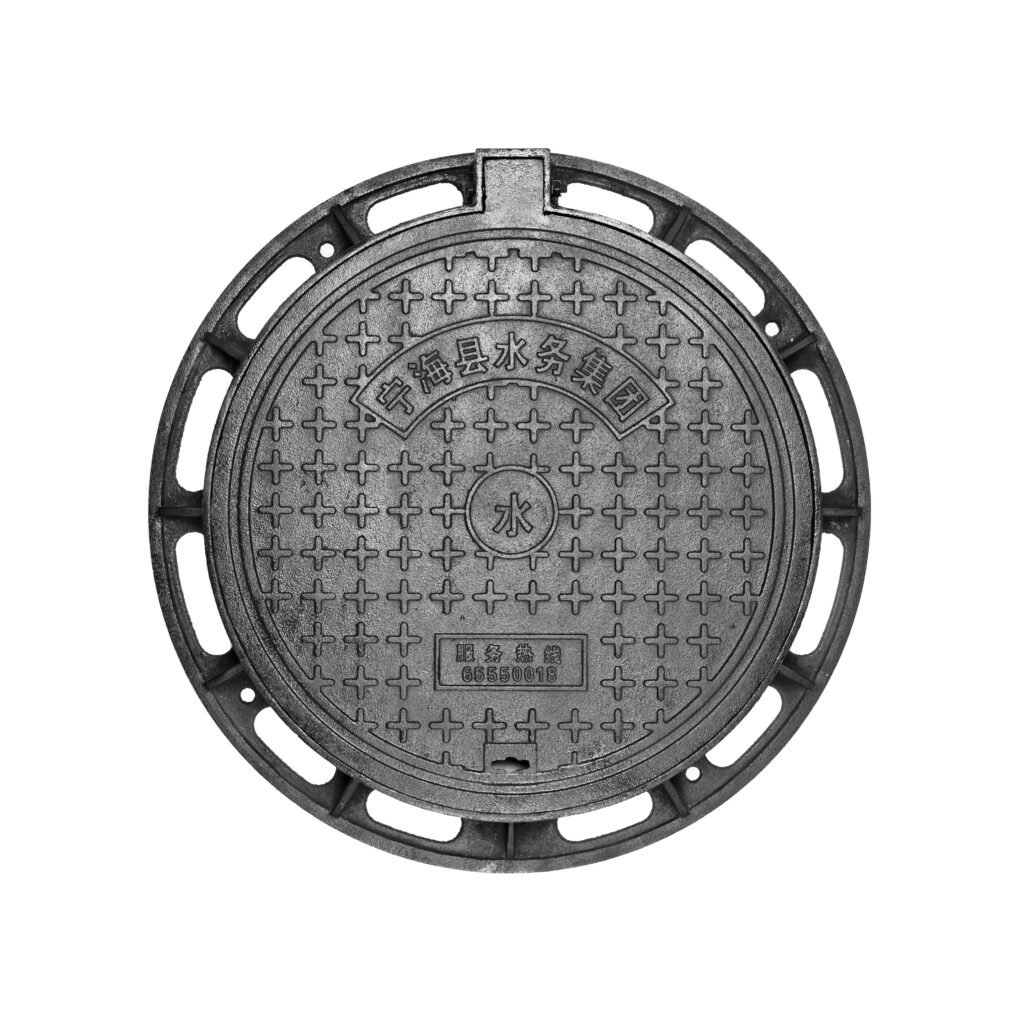
3. Precision Manufacturing and Cover-Frame Compatibility: Load performance is realized within minute tolerances.
Rough casting and machining can lead to loose cover-frame fits, causing a "seesaw" effect that prevents load transfer along the designed path, accelerating failure. LuZhongBao employs integrated CNC machining centers for cooperative precision machining of covers and frames, ensuring mating clearances are controlled within millimeter-level accuracy. This seamless fit not only eliminates noise and bouncing but, more importantly, ensures continuous and efficient load transfer, allowing the theoretical design performance to be fully realized post-installation.
4. Full-Process Traceable Quality Assurance System: Compliance requires evidential support.
LuZhongBao implements digital traceability from raw material intake to finished product dispatch. Each production batch can be accompanied by corresponding mechanical performance test reports, chemical composition analysis reports, and third-party authoritative type test certificates for load ratings. Its in-house laboratory is equipped with fatigue testing machines capable of conducting cycle load tests far exceeding standard requirements, verifying the product's long-term durability. This ingrained quality control culture ensures highly consistent and fully transparent performance of outgoing products, providing clients with a solid technical archive for audits and acceptance.
Building a Full-Process Management System Centered on Load Safety
- Ensuring safety and compliance is not just a procurement task but a full-process management activity encompassing selection, installation, and maintenance:
- Precise Selection and Professional Consultation: During the project planning phase, engage with professional suppliers like LuZhongBao to provide load rating selection recommendations based on detailed site data, avoiding empirical errors.
- Standardized Installation: Even the highest-quality covers require correct installation to perform. Ensure a solid, level frame foundation, compact asphalt or concrete backfilling, and tighten all anti-theft locking devices.
- Smart Monitoring and Preventive Maintenance: The smart monitoring modules offered by LuZhongBao can detect real-time displacement, tilt, and internal stress changes of the cover, providing early warnings before abnormal loads or potential failure risks occur, upgrading safety management from passive response to active prevention.

Conclusion
Ensuring the safety and compliance of manhole covers through load ratings is a systematic project that integrates standard comprehension, scientific selection, and product trust. It requires decision-makers to look beyond simple price comparisons and specification checks, delving into the product's technical core and manufacturing philosophy. LuZhongBao, with its systematic superiority in materials, design, processes, and quality control, provides not just standard-compliant covers but a deterministic assurance regarding load safety. Choosing LuZhongBao means building the safety cornerstone of a project on engineering-verified, performance-transparent, and long-term reliable products, thereby minimizing risks and achieving durable safety and compliant operation of infrastructure.