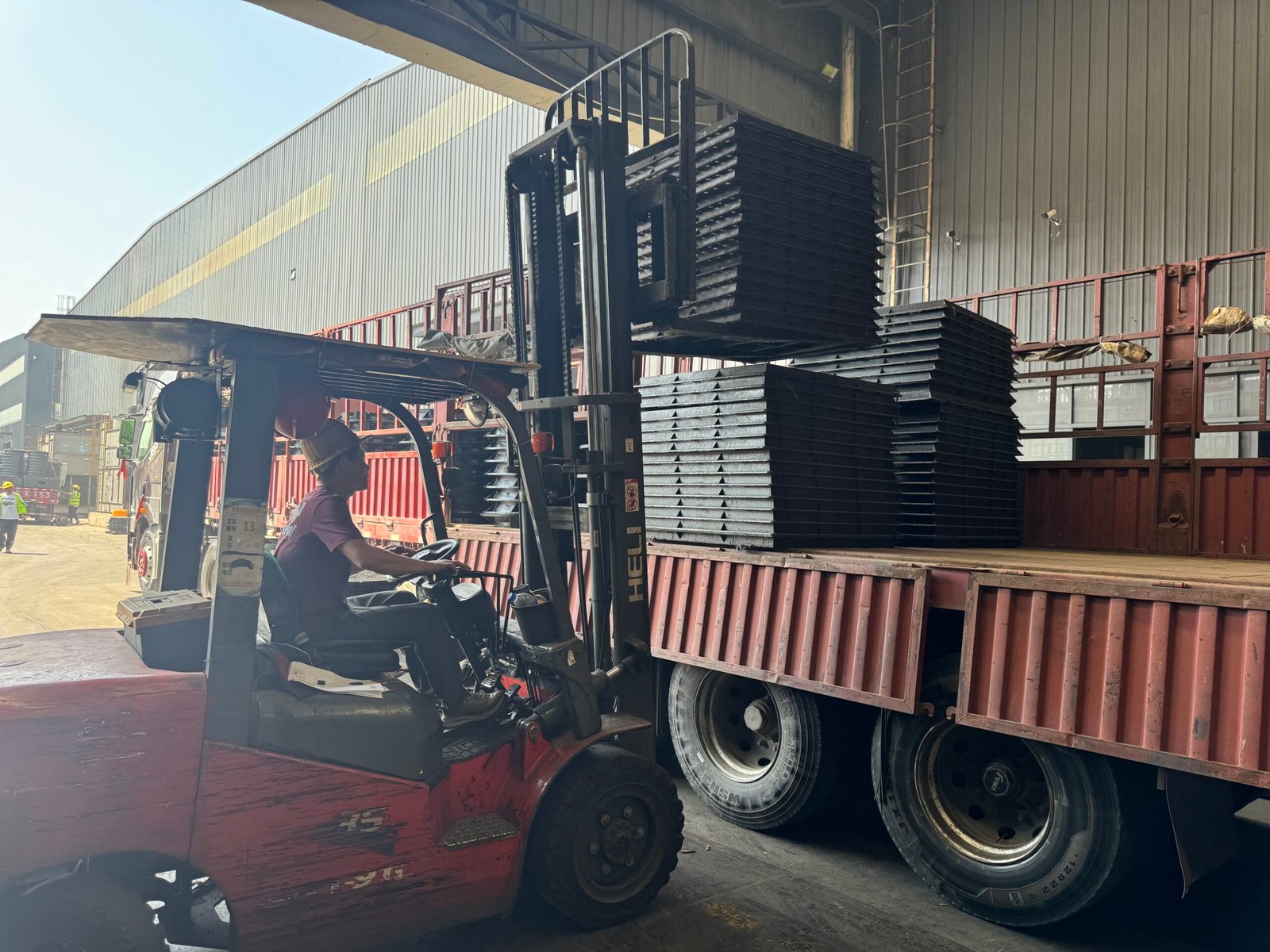
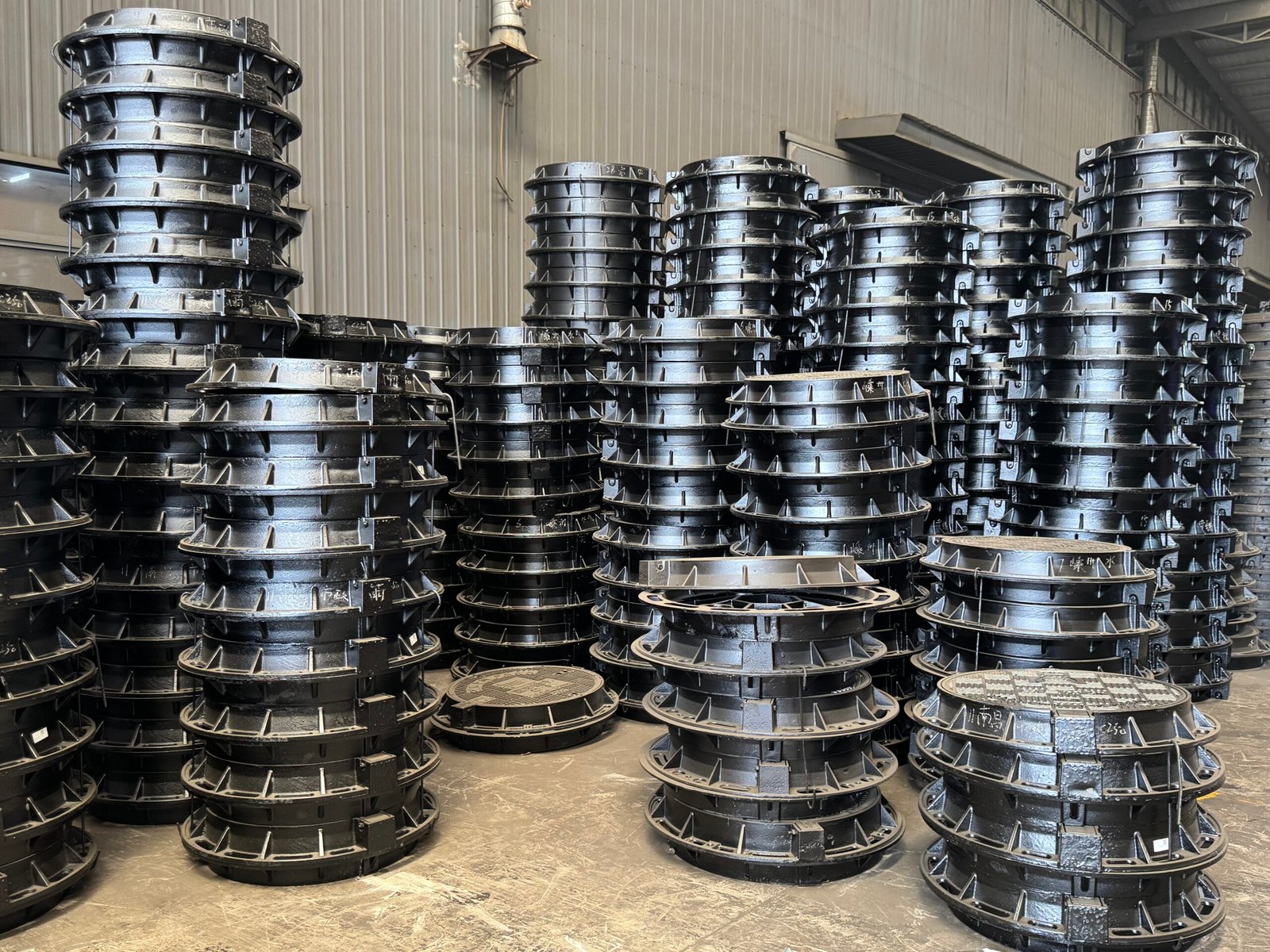
In today's technologically advancing world, even seemingly simple manhole covers are undergoing transformative changes. These innovations aim to enhance functionality, safety, and aesthetics. Advancements span new materials, smart technology integration, and ergonomic design optimization. Beyond basic safety requirements, adapting to modern urban environments has become paramount. Today's covers are not just utility protectors—they are integral components of urban infrastructure, contributing to harmony and comfort in cityscapes.

Application of New Materials
Manufacturing materials critically impact durability and environmental resistance. Traditional metal covers are gradually yielding to composites offering multiple advantages: lighter weight, corrosion/chemical resistance, and extended lifespan. Additionally, composites enable color customization, unlocking new possibilities for urban design. Polymer materials—formulated for strength and weight reduction—simplify installation and maintenance.
Electronic Tags and Smart Technologies
Modern covers integrate electronic tags and intelligent systems for real-time monitoring and utility management. RFID tags allow municipalities to track cover location/status, streamlining replacements and upkeep. Newer models embed sensors transmitting real-time subsurface data (e.g., gas levels, water temperature), enabling early anomaly detection—a critical capability for high-density urban areas requiring rapid response.
Security and Anti-Tamper Mechanisms
Innovative anti-tamper technologies safeguard urban utilities. Modern covers feature complex locking systems that deter unauthorized access. Magnetic locks or electronic keys restrict operation to authorized personnel, effectively preventing vandalism and infrastructure damage. For high-risk zones, integrated cameras and alarms further elevate security.
Environmental Dimensions
Eco-friendly solutions are increasingly demanded. New R&D focuses on minimizing environmental footprints during production and use. Recyclable, non-toxic materials reduce ecological impact. Leading manufacturers (e.g., circular cover suppliers) implement energy-efficient production and low-carbon logistics. Emerging designs even incorporate air-purifying materials to improve urban ecology.
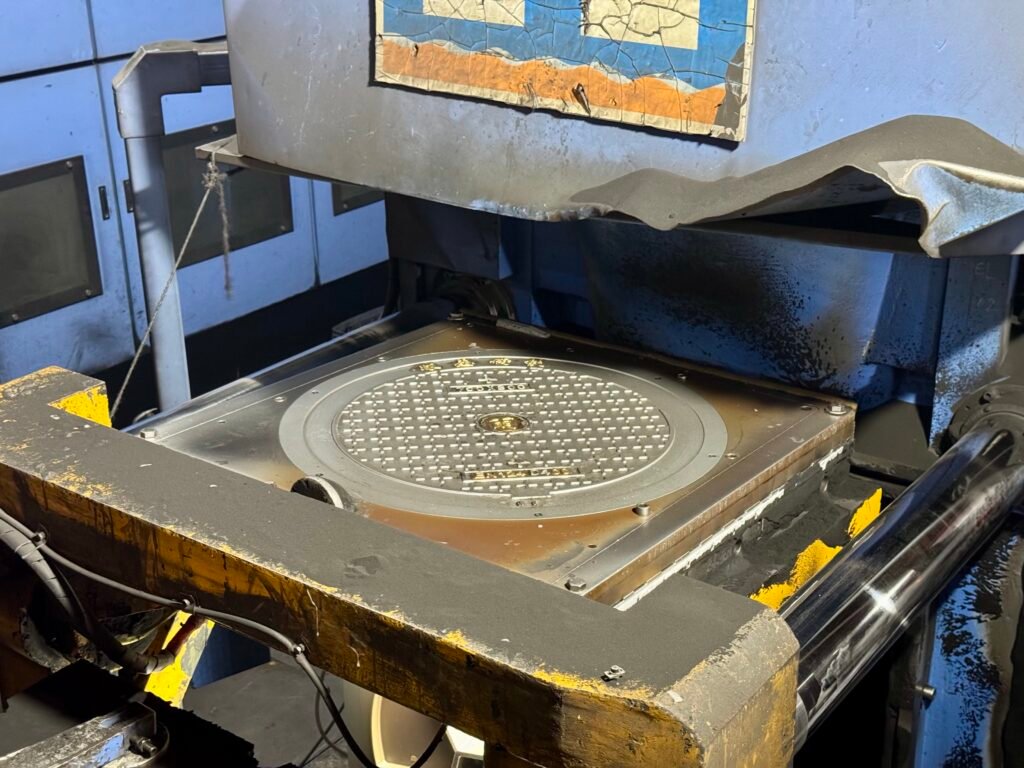
Aesthetics and Design in Urban Contexts
Visual design is now a key element. Covers can function as urban art installations or blend seamlessly with architecture and landscapes. Colored and textured materials achieve high aesthetic value, attracting attention while unifying infrastructure. Designers collaborate with manufacturers to balance functionality, urban beauty, and uncompromised strength/reliability.
Supplier Partnerships and Collaboration
Quality and innovation thrive through close manufacturer collaboration. Suppliers like circular cover specialists play pivotal roles in developing and implementing new solutions. Municipal partnerships grant access to cutting-edge technologies and materials, significantly improving service quality. Such collaborations also reduce costs via economies of scale, enabling cities to efficiently meet resident needs while maintaining optimal infrastructure.